
AI率降至0%
专业AI降重服务
专业的AI降重工具,为您的论文提供智能优化服务。快速、准确、安全。
使用指南
- ① 文本要求:英文单词数200-3000字之间
- ② 支持格式:Word 和 PDF文件(非图像PDF)
- ③ 删除无关内容:目录、文献、学校、个人信息等
- ④ 预计1分钟内完成检测,输出报告
- ⑤ 支持多种学科领域的论文降重,包括理工、医学、人文等
- ⑥ AI智能改写,保持原文语义的同时提升文章原创性
- ⑦ 提供实时进度反馈,让您了解处理状态
- ⑧ 支持多次修改,直到达到理想效果
案例展示
查看真实用户的降重效果
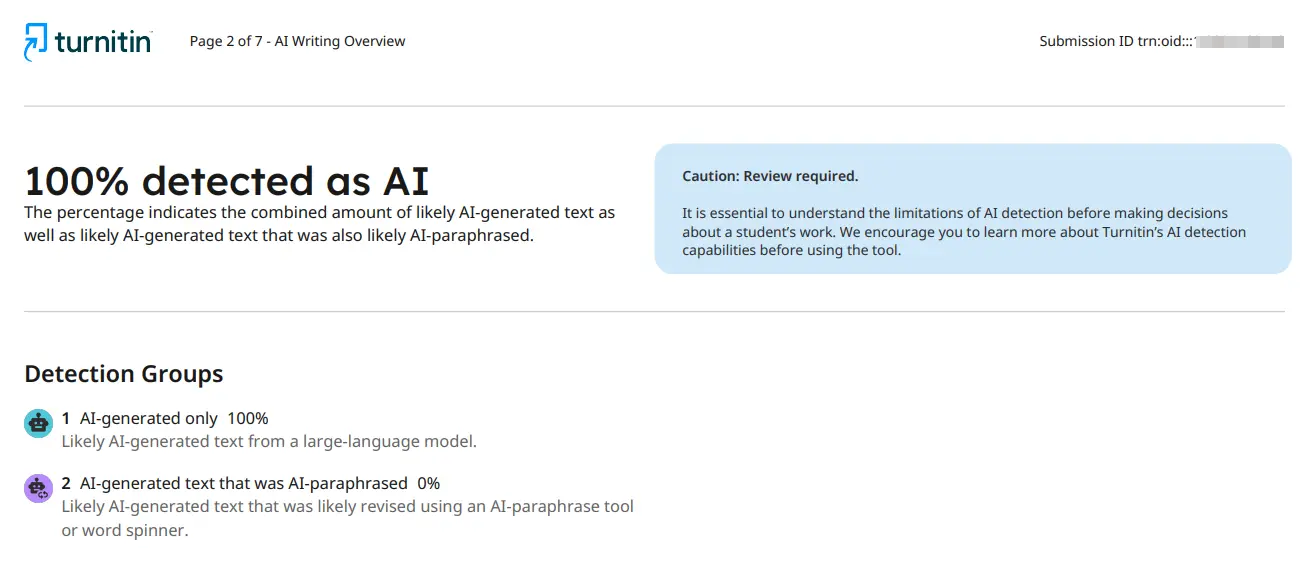 降AI前
降AI前The SLR method is in line with the research objectives as it promotes in-depth exploration of the subject and ensures that all research questions are addressed in a systematic way. A well-structured SLR shows transparency, allowing the study to be replicated and demonstrating the credibility and reliability of the research findings. By following a step-by-step process, SLRs provide findings that are easy to follow and can be replicated by others. It also helps remove bias, makes sure that the research findings are more reliable and rigorous.
According to Tranfield et al. (2003), there are three stages in conducting an SLR: planning, conducting the review, and reporting and sharing the findings. These steps will be explained in more detail in the following subsections, which will demonstrate that planning and protocol development is part of planning the review, search strategy and study selection is part of conducting the review, and data extraction and synthesis are necessary to both conducting the review and reporting results.
A review protocol can be seen as a guide outlining the detailed process to guarantee objectivity. It includes details about the specific research questions, the population or sample to be reviewed, and the methods used to identify relevant studies It also outlines the inclusion and exclusion criteria related to the studies reviewed. A good protocol is the foundation of a good Systematic Literature Review (SLR).
Inclusion and exclusion criteria are established to guarantee the quality of the selected articles that they match the research objectives. According to Tranfield et al. (2003), strict criteria are used in systematic reviews to ensure that the reviews are conducted based on the most reliable evidence available.
Table 2.1 shows the inclusion and exclusion criteria established for this study.
eer-reviewed journal articles are included to ensure the credibility and reliability of the review. The inclusion of books and systematic reviews provides in-depth and comprehensive perspectives to the review. The requirement for conference papers to be peer-reviewed is to maintain quality. Editorials, newspapers, magazines, and company reports are excluded because they are usually not peer-reviewed and may bring bias or less rigorously validated information.
Tranfield et al. (2003) highlight the importance of quality assessment for a systematic review. Quality assessment refers to examining a study’s internal validity and assessing how well its design, execution, and analysis have reduced potential biases or errors. This process ensures that the conclusions of systematic reviews are founded on solid and credible evidence.
The PRISMA Statement and its extensions provide guidelines to promote transparent and complete reporting of systematic reviews. Even though modifications have been made to the selection process in order to fit this research process, PRISMA diagram is still used as reference. Figure 2.1 shows a customised study selection flow diagram, outlining the different stages of the selection process and showing the number of articles identified, screened, included, and excluded at each step.
The process of data extraction and synthesis follows as the last steps of the process of selecting the studies. Tranfield et. al. (2003) emphasise that in data extraction, records must be made such as title, authors, journal, publication details, study context, main findings, additional comments, emerging themes identified, and assessment of methodological quality. To support this process, a template for data extraction is developed to support the process of data extraction. Measures like double-checking and verifying data points are taken to maintain data quality and reduce errors during the data extraction process.
After data extraction, synthesis is conducted to combine and analyse data. Thematic analysis is selected to synthesise the data from the identified studies as it supports drawing comprehensive conclusions in line with the research objectives. Thematic Analysis is a method used to identify, explore, and summarise themes or patterns within data. It is known as a descriptive approach to simplify data, as it can be done flexibly and easily combined with other data analysis methods. This method is widely used as it can address a wide range of research questions and topics. This synthesis process is important because it is the basis for making descriptive and thematic conclusions in the following chapters.
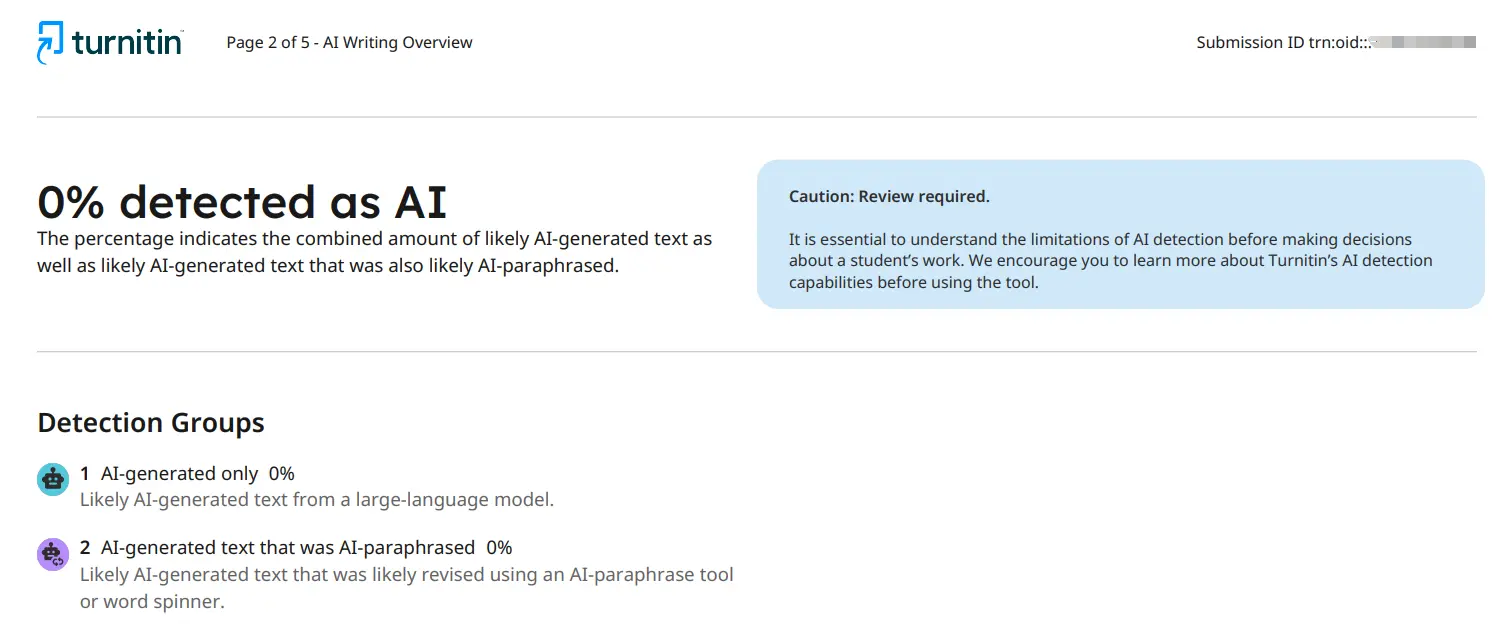 降AI后
降AI后The SLR approach encourages thorough study of the subject and ensures that all analysis issues are addressed in a systematic manner in line with the research objectives. A well-structured SLR shows transparency, causing the research to be replicated and exhibiting the credibility and reliability of the research results. By pursuing a step-by-step approach, Studies provide results that are easy to pursue and can be replicated by others. It also helps reduce bias, makes sure that the research results are more credible and rigorous.
According to Tranfield et cetera. ( 2003 ), there are three stages in conducting an SLR: planning, conducting the review, and reporting and sharing the findings. These steps may be explained in more detail in the following subsections, which will show that planning and process growth is component of planning the assessment, search strategy and study selection is part of conducting the review, and data extraction and synthesis are essential to both conducting the review and reporting results.
A review protocol can be seen as a manual detailing the precise process to guarantee objectivity. It provides information on the research issues being investigated, the sample size, and how to find appropriate reports. It also lists the inclusion and exclusion criteria for the reports being examined. A good systematic literature review ( SLR ) is built on a solid protocol.
The inclusion and exclusion criteria are used to ensure that the selected content correspond to the research objectives. According to Tranfield et cetera, in systematic reviews, stringent criteria are applied to ensure that the reviews are conducted using the most trustworthy available evidence.
Table2. 1 shows the inclusion and exclusion criteria established for this research.
The review's credibility and reliability are assured by peer-reviewed journal articles. The assessment receives in-depth and complete ideas thanks to the addition of books and thorough opinions. The requirement for conference papers to get peer-reviewed is to preserve quality. Editorials, newspapers, magazines, and company reports are excluded because they are often no peer-reviewed and perhaps take bias or less strictly validated data.
Tranfield et cetera. ( 2003 ) highlight the importance of quality assessment for a systematic review. Quality assessment refers to examining a article's internal validity and assessing how well its design, execution, and analysis have reduced potential prejudices or problems. This procedure ensures that reliable information supports the conclusions of systematic reviews.
Recommendations for clear and accurate reporting of comprehensive assessments are provided by the PRISMA Statement and its additions. PRISMA chart is still used as guide despite changes to the collection process to meet this analysis approach. Figure 2. 1 shows a personalized research collection movement chart, outlining the different stages of the collection process and showing the number of articles identified, screened, included, and excluded at each stage.
The final stages of the selection procedure for analyses are the extraction and synthesis of information. Tranfield emphasise that in data extraction, records may get made such as name, authors, book, publishing details, research context, key findings, further comments, emerging themes identified, and assessment of methodological quality. To help this process, a framework for data extraction is developed to support the process of data extraction. Procedures like double-checking and evaluating information details are taken to keep data quality and lower problems during the data extraction method.
After data extraction, synthesis is conducted to blend and analyse information. Thematic analysis is selected to synthesise the data from the identified research as it supports drawing complete conclusions in line with the research objectives.
用户评价
来自真实用户的反馈
我覺得蠻好用的,就是如果有新手教程就好了
这次的文章大意没问题的,用turnitin已经检测不到AI了,自己再修改一下,大体上问题不大
48分钟后的dll,就想着这个软件应该来得及,我看第一个改得不错
我懒得一个个查了,我大概看了一下改得挺好的
用了很多次,降完字数基本都是增加的,自己也要修改,但工具确性价比高一点,我都快毕业了哈哈哈哈,希望能够造福下一批留子吧
朋友介绍来的,将信将疑,因为也用过其他工具,中肯滴说,性价比真的可以了